Table of Content
If so, you may be sick of trips to the emergency room and unwanted hospital stays to treat pain, shortness of breath or other symptoms. A terminally ill patient will often be sent home for the end-of-life stage. Family members have 24/7 access to their loved one and can easily stay in communication with the care provider. You don’t have to wait for a nurse or doctor to call you back for important updates.
Palliative care at home consists of specialized care and pain management for symptoms such as vomiting, nausea, anxiety, depression, and chronic illness. The goal is to enhance the quality of life for patients with severe illnesses. Palliative care at home is also intended for individuals who would like a more consistent care plan. Additionally, out-of-home palliative care can be more costly, since it can consist of expensive nursing homes, hospitals, or assisted living facilities.
Hour Advice Line
The main aim of any sort of care at this stage is to maintain or enhance your loved one’s quality of life, ensuring they remain as well and active as they can, for as long as possible. A medical or nursing team will be primarily supporting things such as medication and treatment but a live-in carer can provide support and companionship to assist. 24 hour aged care and lived in care are slightly different services. 24 hour aged care is usually provided by a team of care workers and nurses who share the workload. They provide care in shifts, so you can be supported by around the clock care.
Palliative Care provides family and patient centered support within the home tailored to meet your physician’s Plan of Care. The focus of care for advanced illness is thus moved out of the hospital and into the home. There are many palliative care services to help people outside of the hospital. You may be able to get help at home, at your local doctor’s office, or in your cancer center, for example. You can get palliative care at the same time as treatment for your disease and at any stage of your disease.
When can you access palliative care?
You can also weigh the pros and cons and discuss what you’d like to get out of a palliative care treatment option. This includes emotional and/ or physical support, or more assistance with pain management and other day-to-day assistance. Continuous, or 24-hour, hospice care is often considered necessary only if a patient’s symptoms are severely limiting or excessively complicated. Medicare Part A does not provide coverage for 24-hour care in the home, but it does provide coverage for doctors and nurses who can be on-call day and night. If a patient’s needs are too complex for in-home care, Medicare benefits with Part A hospital coverage can help them receive short-term inpatient care or respite care if their family needs more help. You won’t have to worry about mistreatment, as hospice workers are some of the kindest there are.

In many cases funding is available through the NHS continuing healthcare. For those nearing the end of their life, there is a fast track service. The most appropriate source of palliative care will depend upon the type of support and care that your loved one needs. You could make use of the services of a reputable private agency to provide home care or your loved one could be cared for in a nursing home, a care home, a hospital or a hospice. Palliative care can actually be organised at any stage of your loved one’s illness and arranging it doesn’t mean that they’re likely to pass any time soon. In fact, many people receive personalised end of life care for years.
What’s The Difference Between Hospice Care and Palliative Care?
Twenty-four hour care is when you or your loved one experiences around the clock care for a 24 hour period while living at home, through a team of nurses and care workers. To be eligible for hospice care, your doctor must say that you are unlikely to recover from an illness and that you are unlikely to live longer than six months. A hospice doctor must certify that the additional level of care is essential for the patient to be eligible for either ongoing care or a higher level of care. Your palliative care team will consist of a doctor, a nurse and a social worker.
Palliative care at home is specialized medical care that a patient can receive in the comfort of their own home to enhance their quality of life. This type of care is provided by an experienced nurse, nutritionist, physical therapist, or other care specialists. We provide 24 hr care at home, so our clients can live healthier lives. This means we take the time to get to know you, listen to you, and help you design a customised care plan that is based on what you need to live a fulfilling life.
Their doctor or primary care physician must certify their terminal illness and confirm that the patient’s life expectancy at the time of certification is believed to be less than six months. Medicare recipients must also sign a statement that they understand accepting hospice care, which only offers palliative treatment, means they are waiving any treatment that attempts to cure the illness. At times, a more comprehensive care is needed after a hospital stay for patients receiving treatment for a chronic or serious illness. The primary goal of Palliative Care is to improve quality of life for both you and your family. It is available for everyone—of any age, race, culture, background or religion.

Unlike hospice, palliative care is available to patients at any time during the course of their illness. The palliative care team can consist of nurses, nutritionists, physical therapists, or occupational therapists who work in a home setting. The type of services provided with palliative care at home can range from pain treatment, meal delivery, wound care to housekeeping. With palliative care at home, patients have the option of having a live-in caregiver. Tradition Choice is an end-to-end solutions provider, dedicated to providing the highest quality of healthcare to the elderly.
He ensures that all of Dad’s needs are met and always goes the extra mile. Dad’s favourite nurse, Kelly, comes to look after him several times a week and it has taken a lot of weight off of my family’s shoulders. Overall, my family and I are very satisfied with Dementia Caring and are grateful for the respite they have been able to provide us.

Homecaring Newcastle is probably the best place I’ve worked for. I have been with Nicole and Frank for 2 years now and not only do they support their clients they support their staff with dignity and respect. Lived in care is when a care worker spends the night in your home. They will sleep overnight but be on hand to support you, if you need help. This service is more suitable for those who generally sleep through the night, and may need care at irregular times.
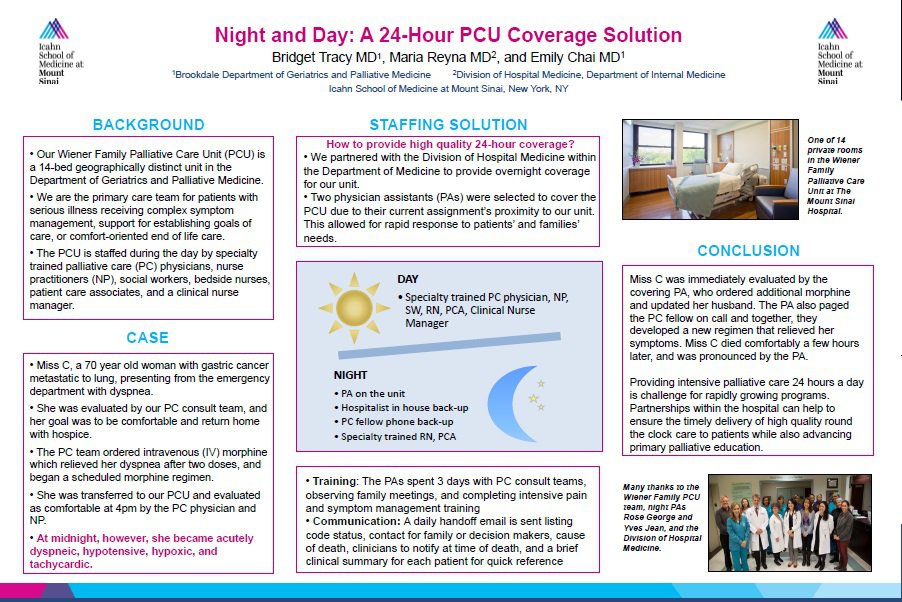
The Foothills Home Services team has the compassion, care and support skills required to address the needs of patients and their families 24 hours a day. With our 24-hour palliative care service, you can trust that your senior loved one will get the best possible care from the comfort of their home. There are many reasons why individuals choose in-home palliative care. For the most part, many individuals would rather be surrounded by loved ones in a familiar setting that allows them to receive attentive care from a live-in caretaker.
Studies6 have shown palliative care to be cost effective for both the patient and hospitals with higher savings for patients with four or more illnesses. Figure 1 Distribution of telephone call time of 24-hour specialist palliative care telephone advice service. Distribution of telephone call time of 24-hour specialist palliative care telephone advice service. Our reliable staff can offer senior companionship while we assist with daily activities and household tasks. We are here to help your senior loved ones stay at home longer with 24-hour care and attention. If your loved one needs end-of-life care, you can be assured that the objective is to make them as comfortable as they can possibly be.
Using Palliative Care does not mean there is no hope, that you have ‘given up’ or that your families don’t care. You can continue to receive curative focused treatment at the same time as receiving Palliative Care. You may be able to use complementary therapies or traditional medicine.

Palliative care is a system of care for very ill seniors that takes a holistic approach to care. Medical care focuses on the management of pain and symptoms of the disease while also providing treatment towards a cure if that is possible. The palliative care team strives to provide medical, physical, emotional, social, and psychological support to seniors.


No comments:
Post a Comment